Proportional Analysis
Body Type Calculator for Men
Enter your measurements to find your body shape. Built for male proportions using chest, waist and hips.
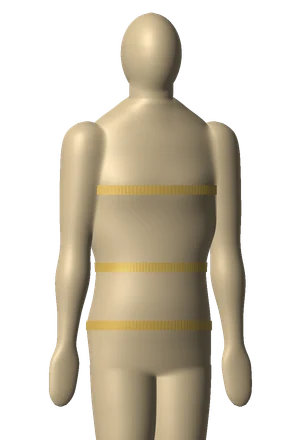
Fullest part, under the arms
Narrowest point, at the navel
Widest part over the seat
Add all three measurements as numbers greater than zero.
Your body type is
—
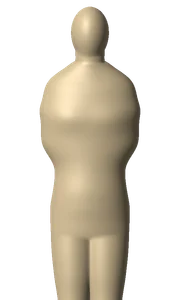
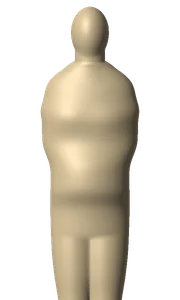
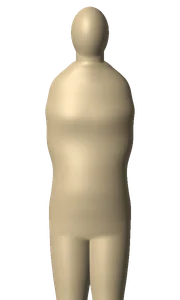
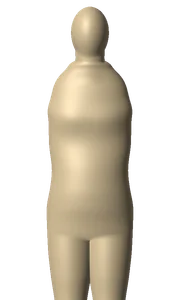
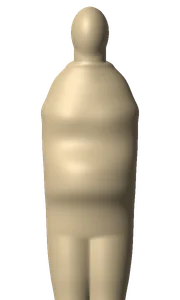
Body Stats
Proportional Ratios
What Is a Male Body Type Calculator and How Does It Work?
A male body type calculator compares your chest, waist and hip circumferences to classify your build into one of five recognised shapes. It's the same underlying logic used in our body type calculator for women — comparing the width of your upper body against your hips, then checking how much your waist tapers between them — just calibrated around male proportions.
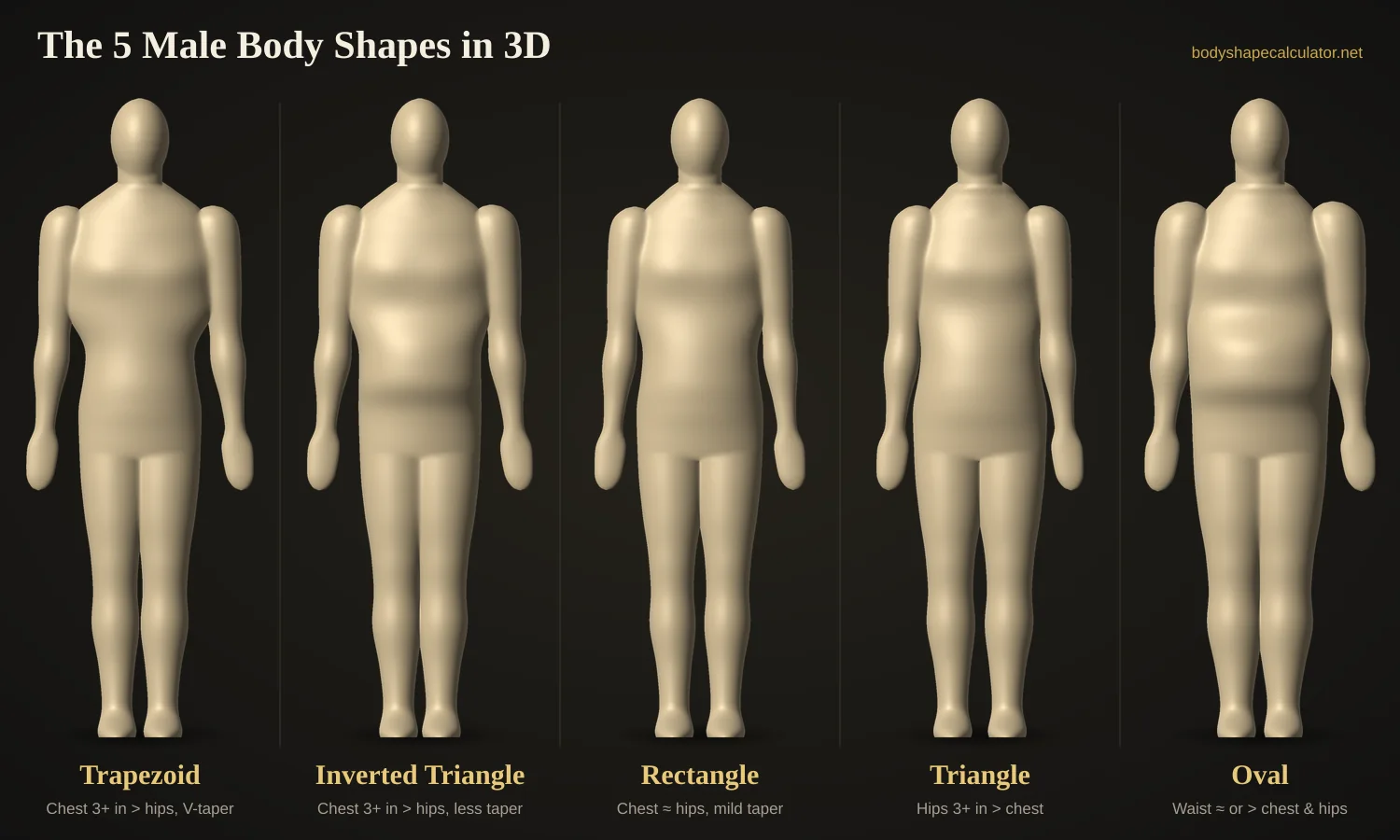
Chest and hips are compared first to see which is wider and by how much, then the waist is checked against the chest to see how defined it is. That places you into one of five shapes: trapezoid, inverted triangle, rectangle, triangle or oval.
This is a styling and self-awareness tool, not a health screening device. It's a starting point for understanding your proportions and dressing for them — not a medical classification.
How to Measure Chest, Waist and Hips
Use a soft fabric tape, stand naturally with arms relaxed, and breathe normally rather than puffing your chest out or pulling your stomach in.
Chest
Wrap the tape around the fullest part of your chest, under the arms and across the shoulder blades. Keep it level front to back and snug without compressing anything.
Waist
Measure at your natural waist — roughly at the navel, the narrowest point of your torso for most men. Exhale gently and don't suck in; you want your resting measurement.
Hips
Stand with feet together and measure around the widest part of your seat, keeping the tape level all the way around.
The 5 Male Body Shapes Explained (With Formulas)
Male shape classification typically uses five categories built around one core comparison: how much wider your chest is than your hips, and how much your waist tapers in between.
| Shape | Defining formula (inches) |
|---|---|
| Trapezoid | Chest ≥ 3 in wider than hips; chest−waist ≥ 7 in |
| Inverted Triangle | Chest ≥ 3 in wider than hips; chest−waist < 7 in |
| Triangle | Hips ≥ 3 in wider than chest |
| Oval | Chest & hips within 3 in of each other; waist within 2 in of — or larger than — both |
| Rectangle | Catch-all: chest and hips close, waist moderately smaller than both |
Want to see them? The male body visualizer has a preset for each of these shapes. Choose the male model and tap Trapezoid, Oval, Rectangle or another chip under Try a shape, then rotate the figure to see the silhouette from the front, side and back.
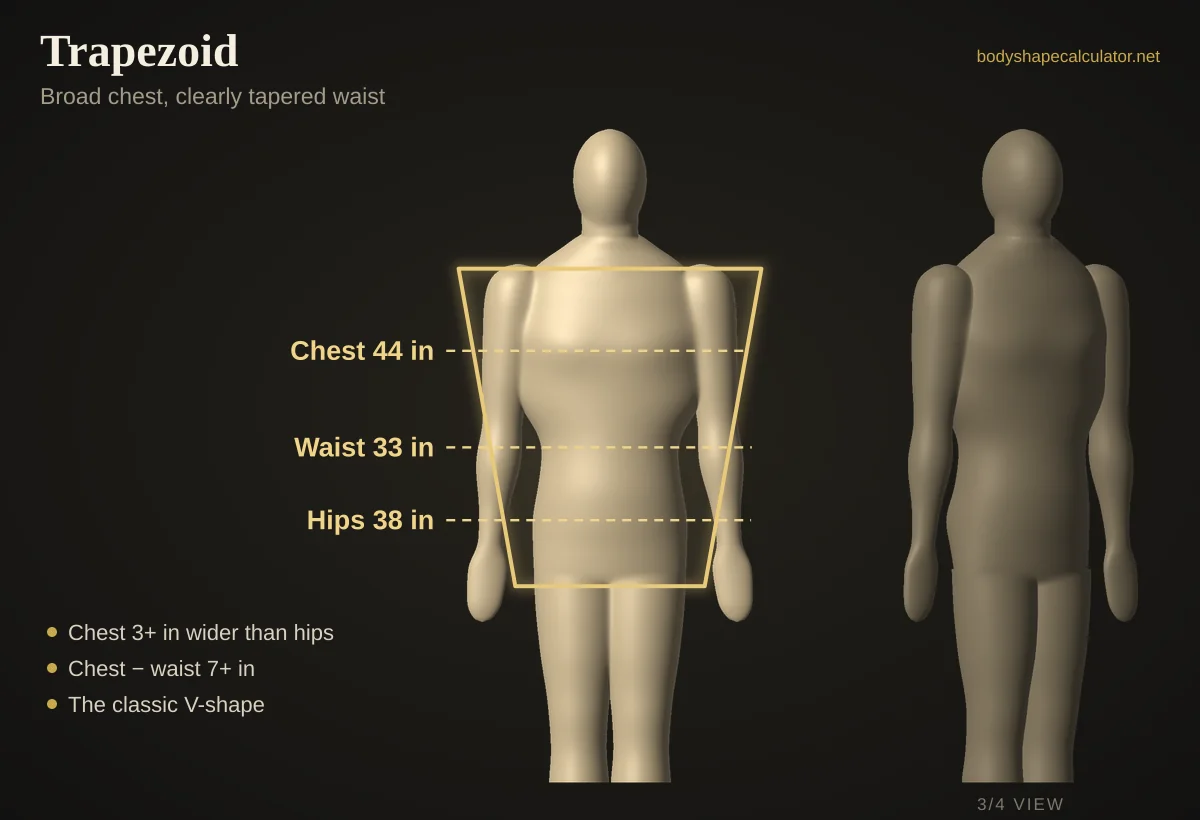
Trapezoid — Broad Chest, Tapered Waist
Widely considered the classic athletic male build: chest and shoulders clearly wider than the hips, with a waist that tapers in noticeably between them — at least 7 inches smaller than the chest. This is the V-shape most strength-training advice is implicitly aimed at. If this is your result, your proportions already read as athletic; the styling goal is simply not to hide that taper under boxy fabric.
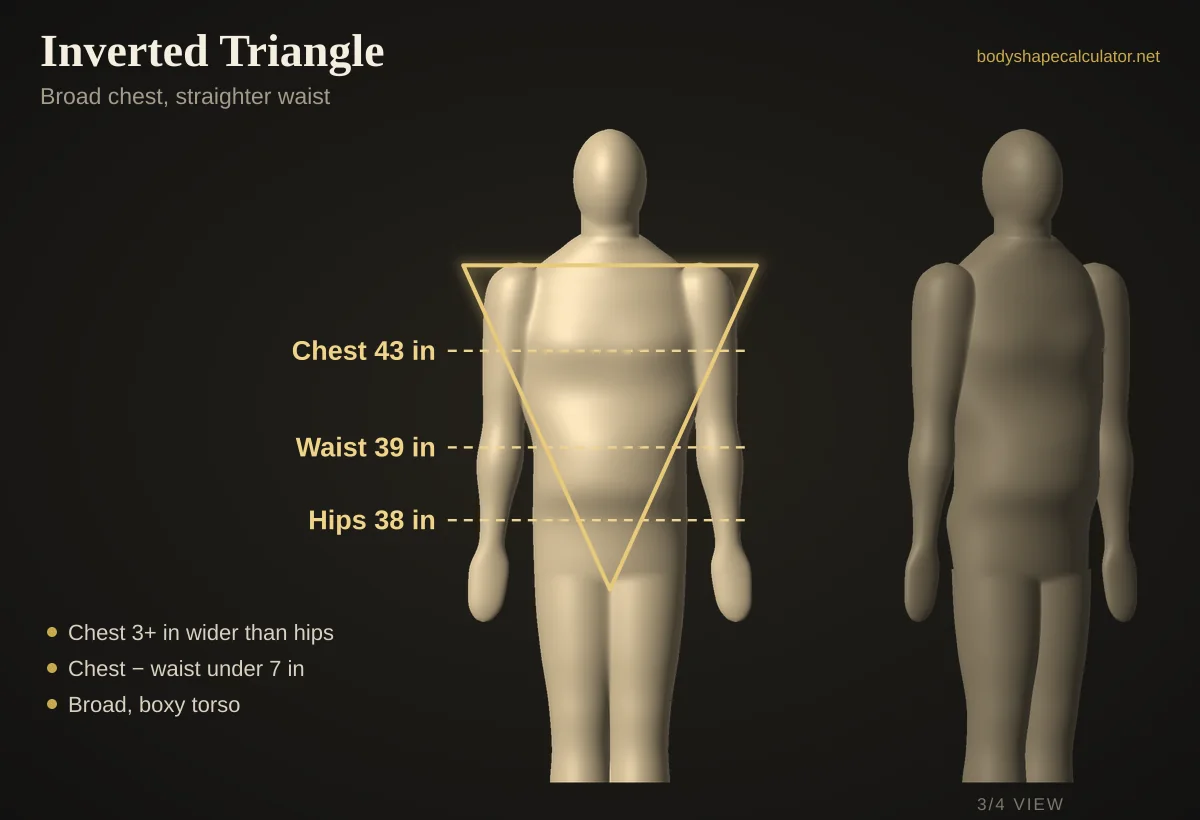
Inverted Triangle — Broad Chest, Straight Waist
Similar chest-to-hip spread as a trapezoid, but without the same waist taper — chest−waist comes in under 7 inches. The silhouette is broad and boxy through the torso rather than V-shaped. This is common in bigger, huskier builds and in men who carry muscle through the trunk without a sharply defined waist.
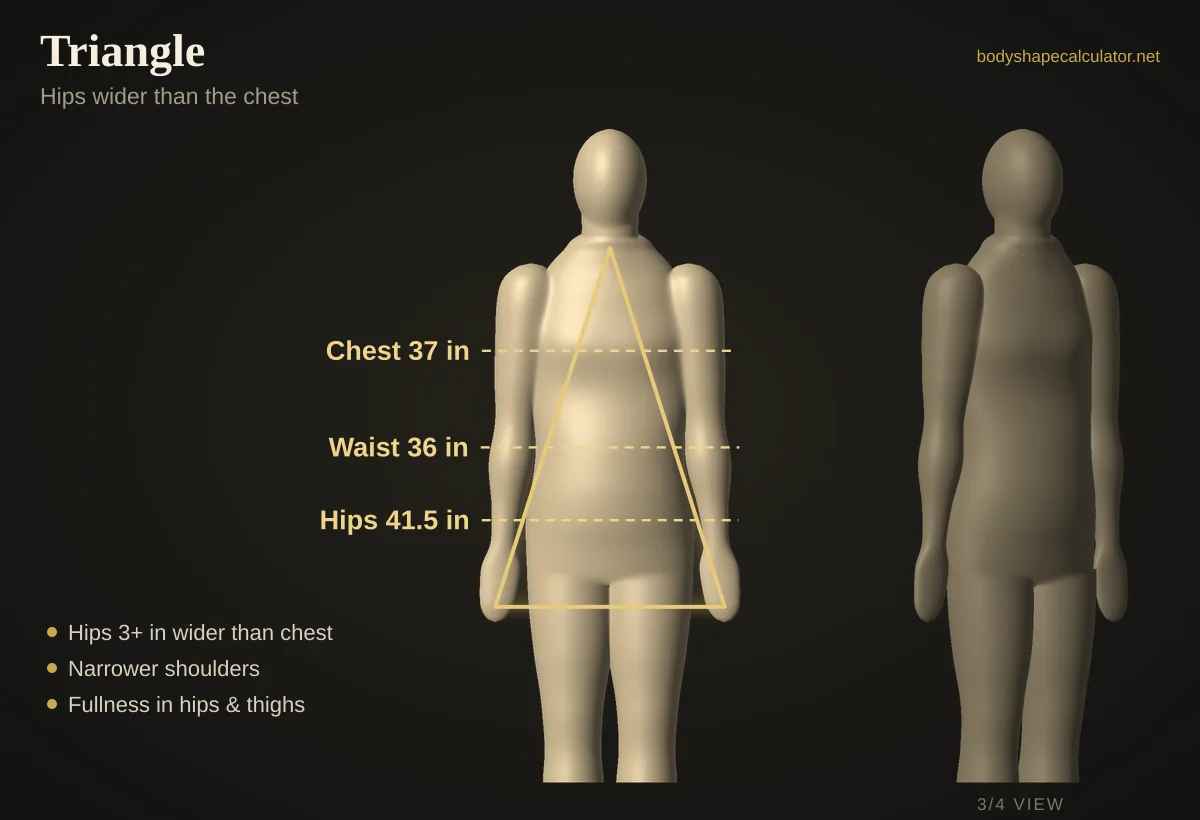
Triangle — Narrower Chest, Wider Hips
Hips at least 3 inches wider than the chest — narrower shoulders with fullness sitting in the hips and thighs. Less commonly discussed than the female pear shape, but the same styling logic applies: the goal is adding visual width up top to balance the frame.
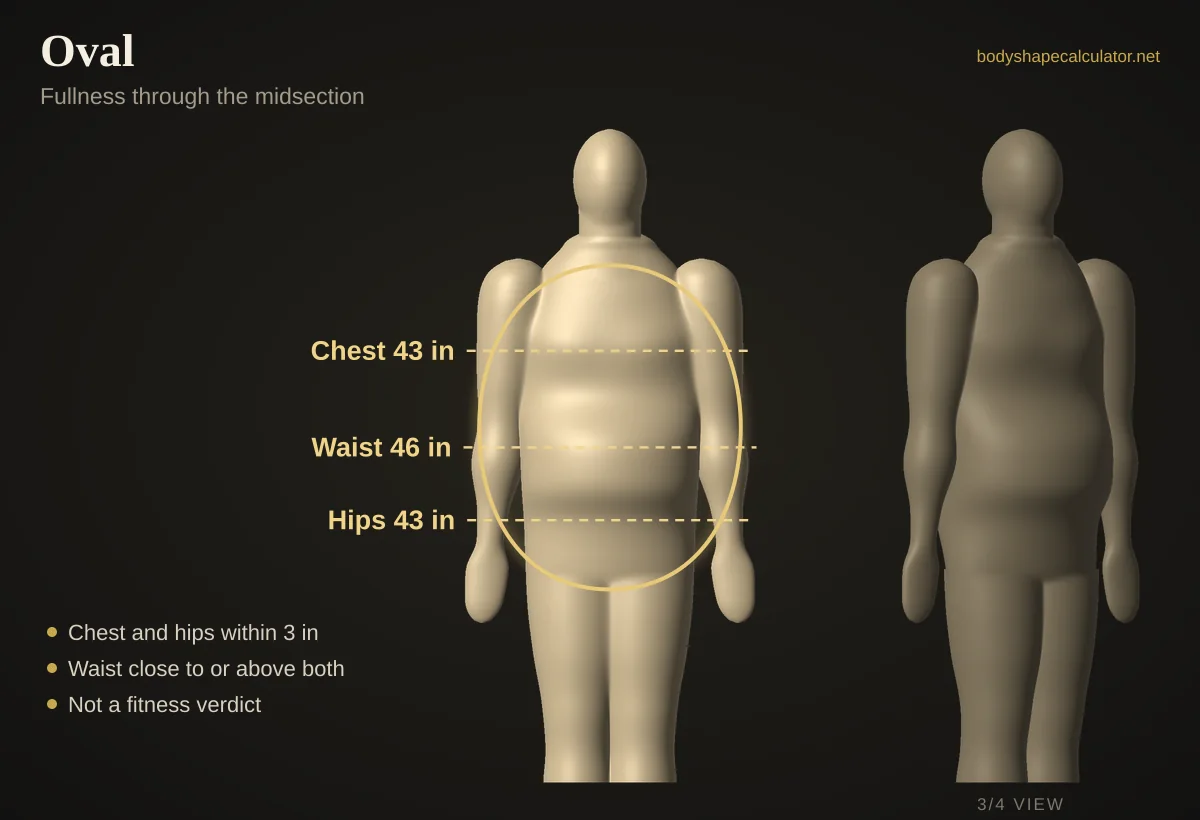
Oval — Fuller Midsection
Chest and hips are close in size, but the waist doesn't taper — it sits close to, or even exceeds, both. This is the shape colloquially called a "dad bod" or "beer belly" build. Like the female apple shape, oval isn't a fitness judgment — it describes where a frame carries fullness, and it can show up at a wide range of overall sizes.
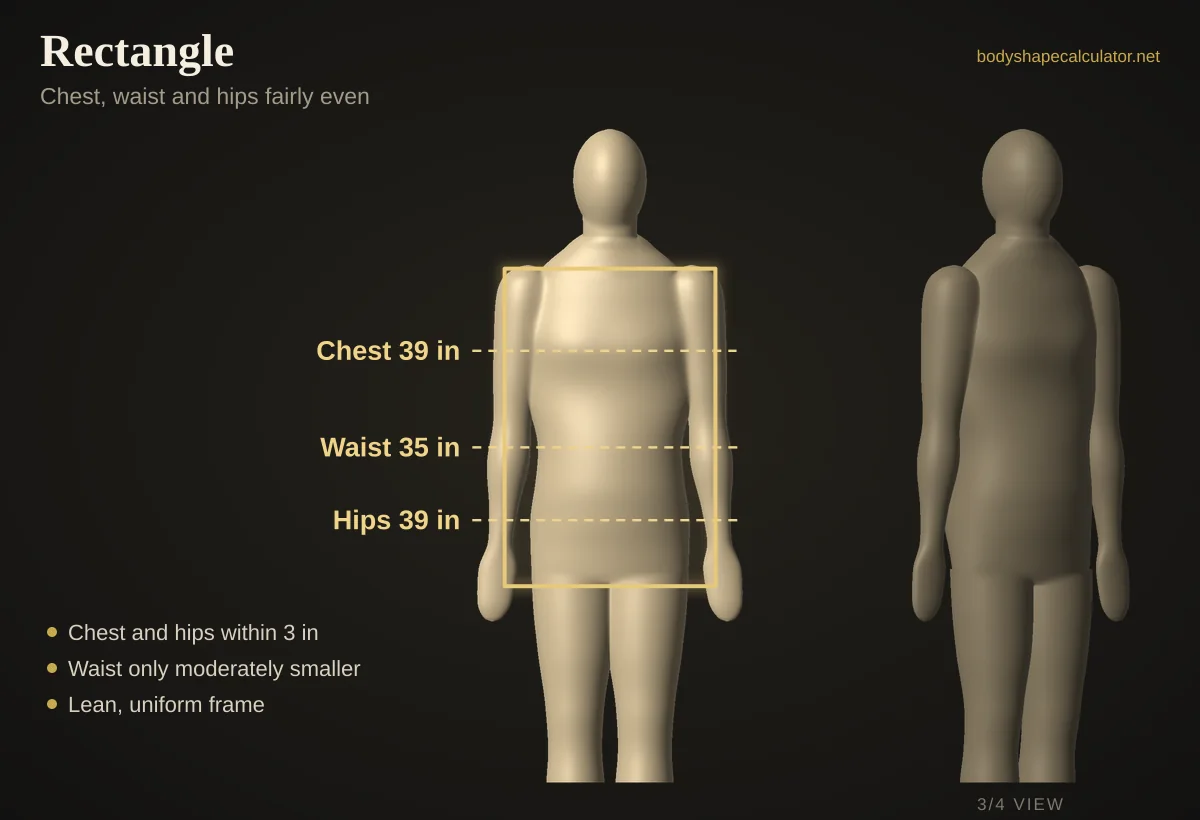
Rectangle — Straight Up and Down
Chest, waist and hips are all fairly close, with the waist somewhat smaller than the chest but not dramatically so. A lean, uniform silhouette without pronounced taper in either direction — common in naturally slim, narrow-framed builds.
How to Dress for Your Male Body Type
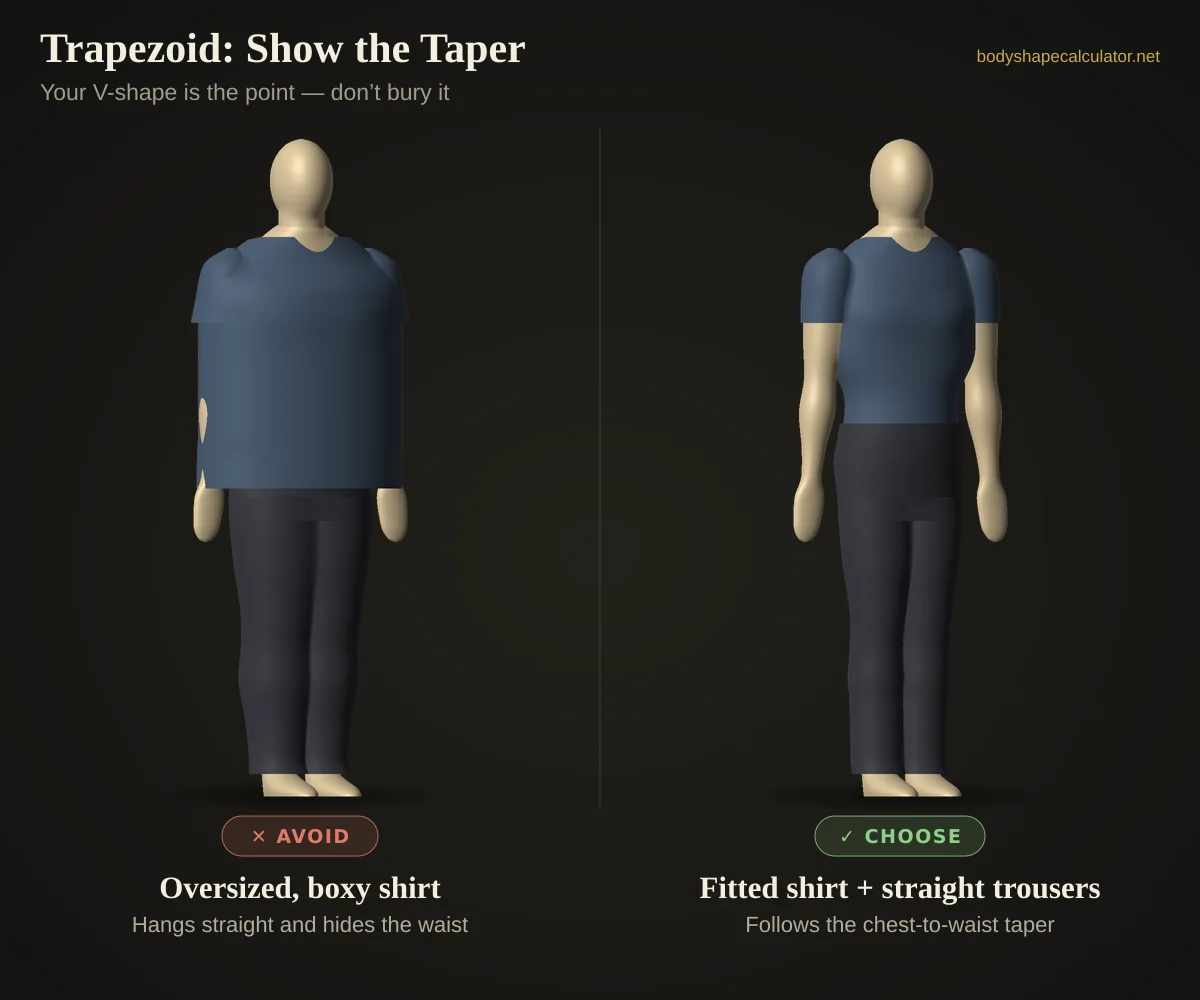
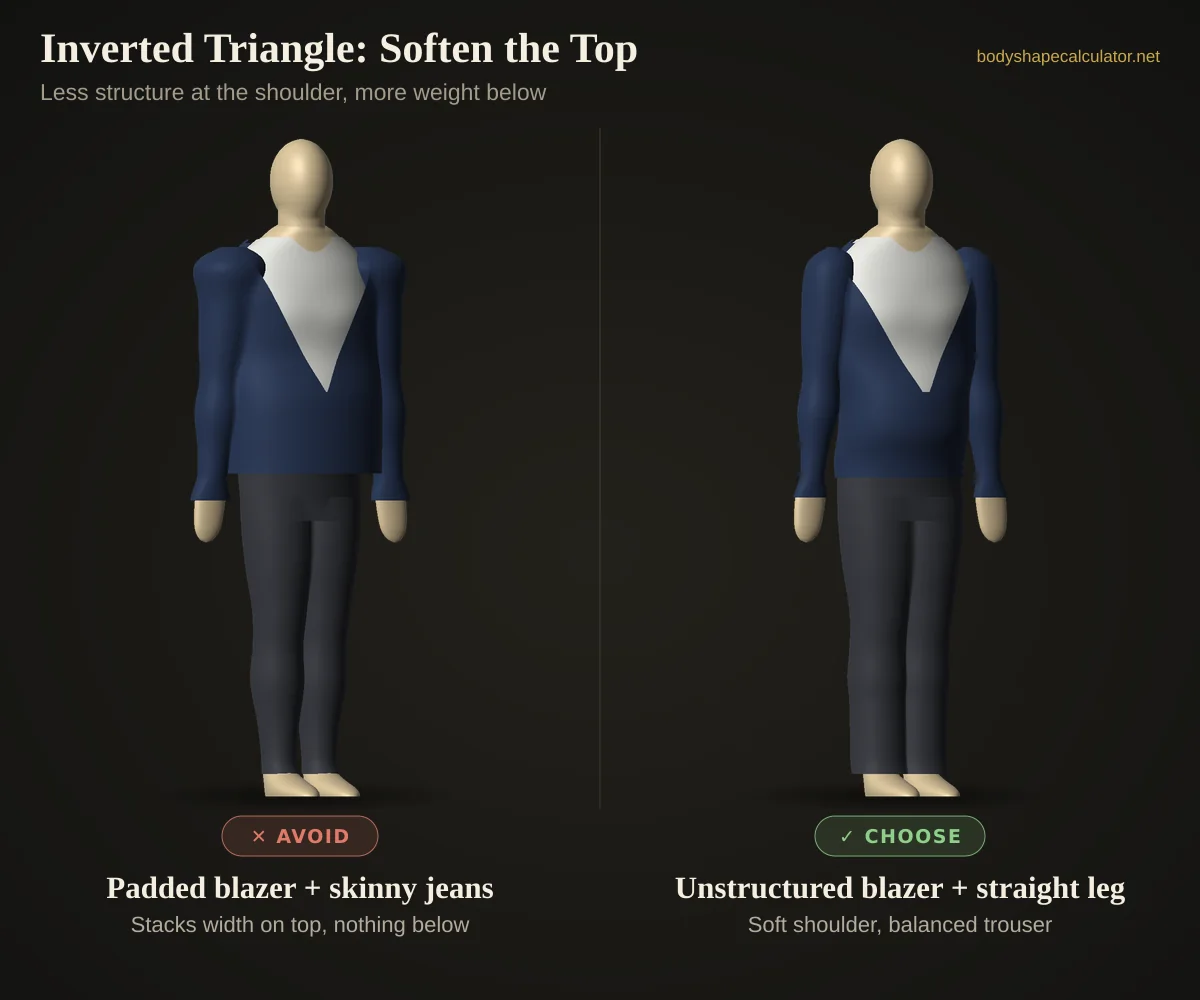
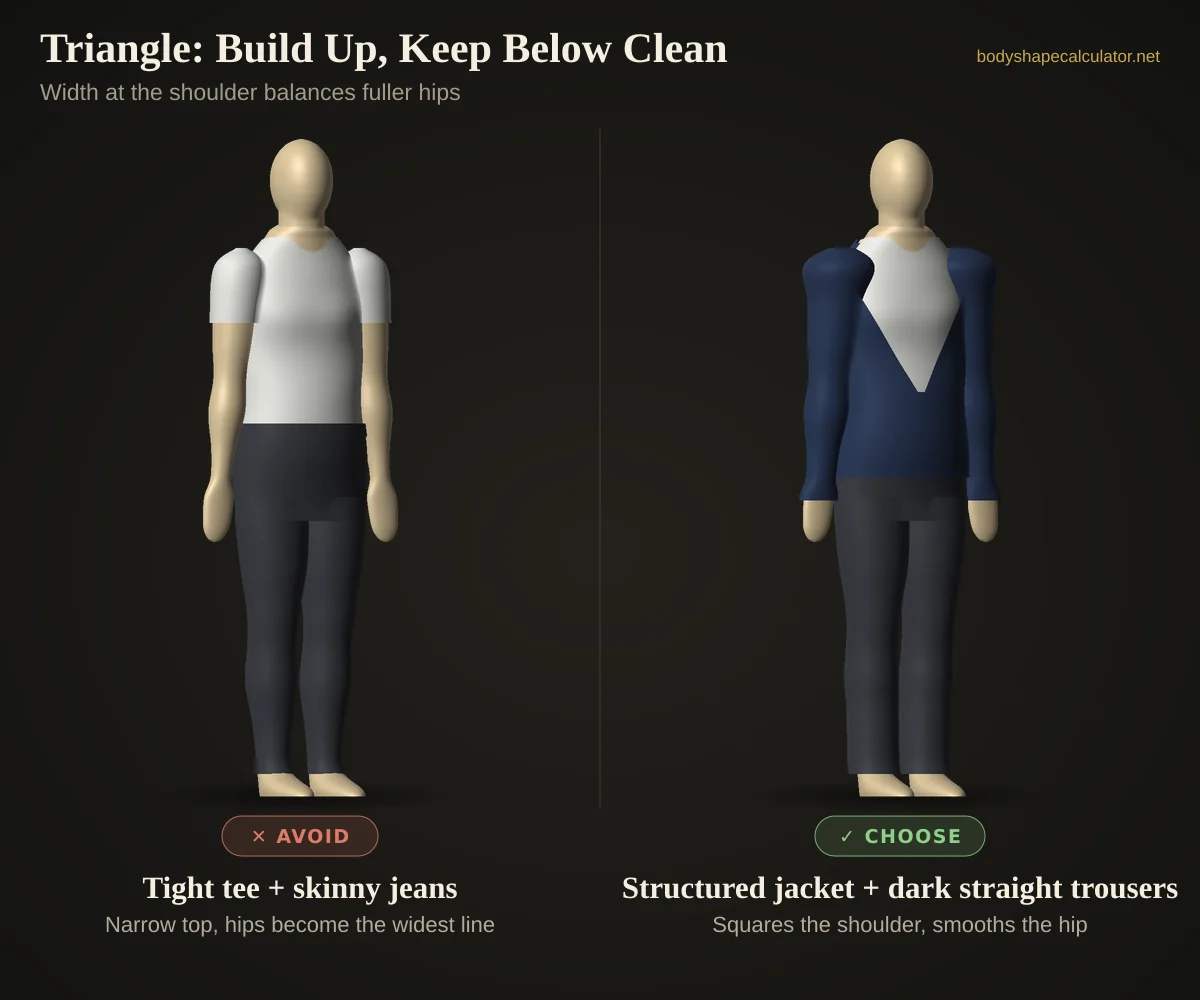
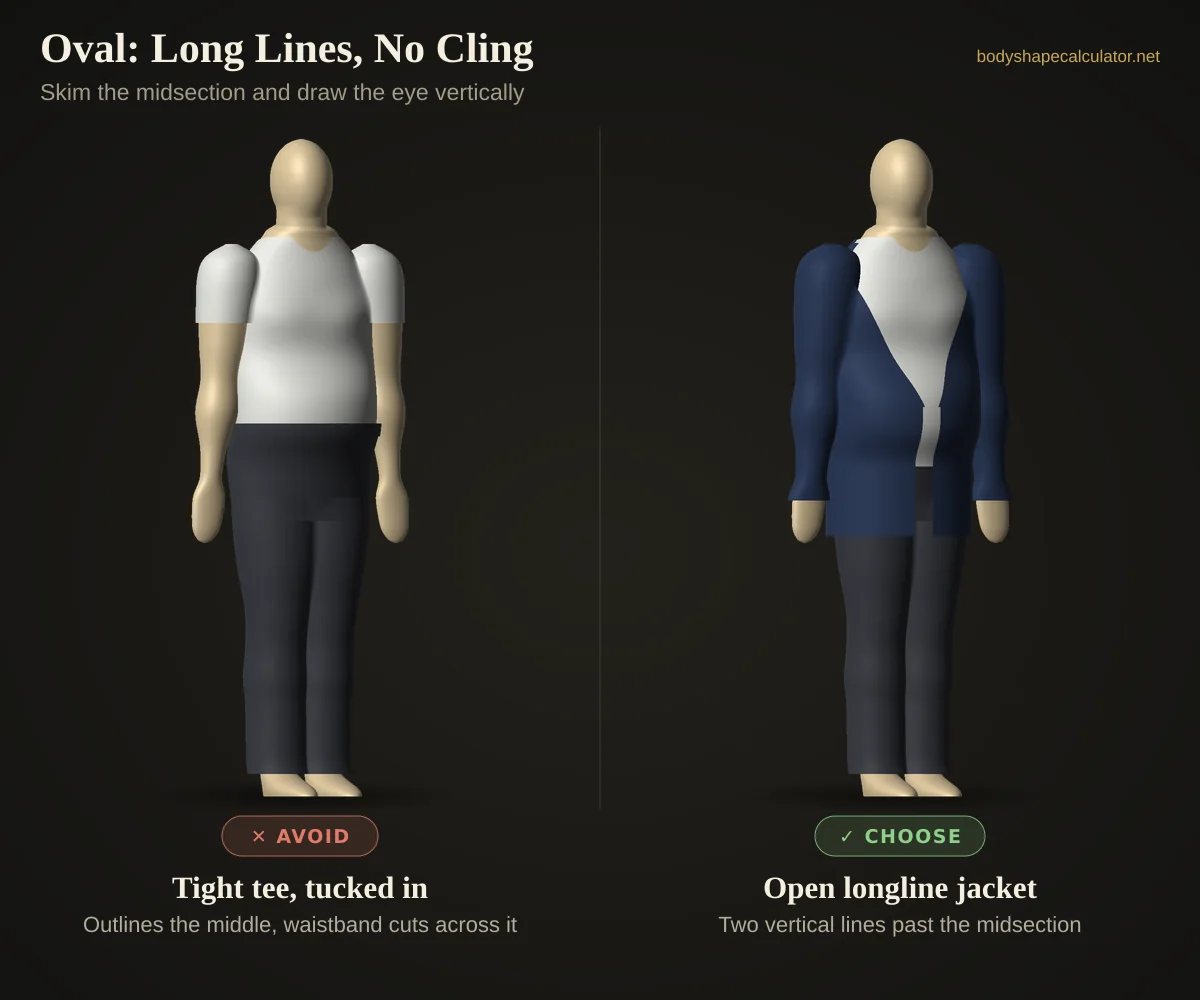
The general principle across all five shapes: fit matters more than any single style choice, and the goal is proportion, not disguise. Each build below comes with a 3D side-by-side on a figure with those exact proportions — same body, same colours, only the clothes change.
Dressing for a Trapezoid Build
Show the taper rather than hiding it — fitted (not skin-tight) shirts, tailored blazers that follow the waist, and flat-front trousers all work with your proportions instead of against them.
Dressing for an Inverted Triangle Build
A single-breasted jacket with minimal shoulder padding keeps the upper body from reading as boxier than it needs to. Straight or slightly relaxed trousers balance a broad torso better than skinny cuts, which exaggerate the width up top.
Dressing for a Triangle Build
Structured jackets and shirts with some texture or pattern on top add visual width to the shoulders. Straight-cut trousers in darker tones keep the lower half clean without clinging; skinny cuts trace the hip and make it the widest line.
Dressing for an Oval Build
Vertical lines — pinstripes, open jackets worn as a layer, shirts with a defined placket — elongate the torso. Avoid tucking in tightly fitted shirts across the midsection; a slightly longer, straighter cut skims rather than clings. Flat-front trousers sit better than pleated ones, which add bulk exactly where you don't want it.
Dressing for a Rectangle Build
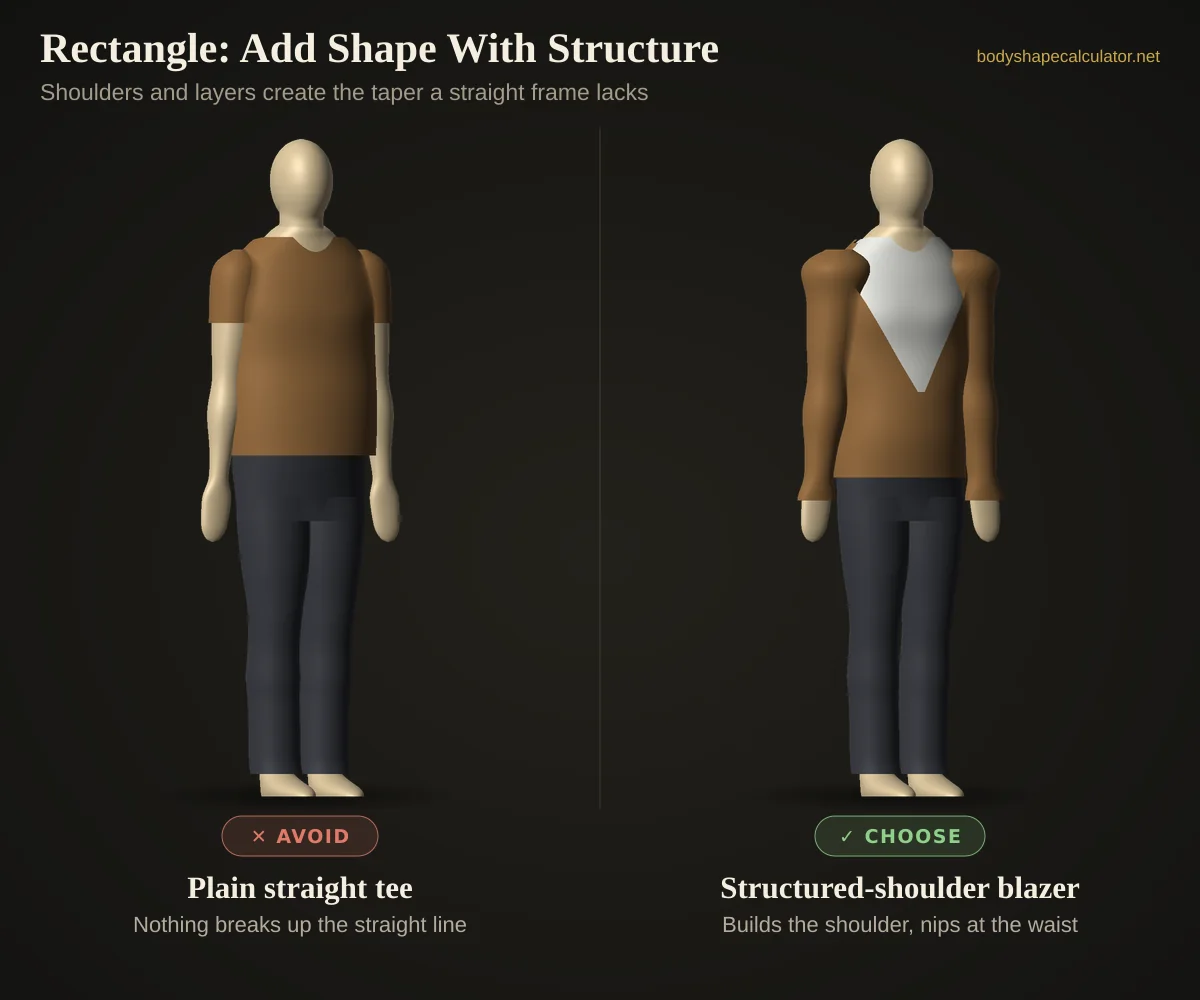
Layering — a jacket over a shirt, texture on texture — adds the visual dimension a straight frame doesn't naturally have. Structured shoulders and a slightly fitted waist on jackets create the impression of a more defined silhouette.
What to Wear for Formal Occasions by Body Shape
| Shape | Formal go-to |
|---|---|
| Trapezoid | A well-tailored two-piece suit that follows the natural taper — this build carries a fitted cut better than almost any other |
| Inverted Triangle | Single-breasted suit, minimal shoulder structure, straight-leg trousers |
| Triangle | Structured-shoulder blazer with a patterned or textured tie to draw the eye upward |
| Oval | Single-breasted, single vent, dark solid colours with a vertical stripe if patterned |
| Rectangle | Double-breasted or structured-shoulder suit to add shape a straight build doesn't provide on its own |
Common Male Body Shape Measurements by Size
The formulas hold at every size — it's the relationship between the numbers that defines the shape, not their absolute size:
| Shape | Chest | Waist | Hips |
|---|---|---|---|
| Trapezoid | 42 in | 34 in | 38 in |
| Inverted Triangle | 42 in | 37 in | 38 in |
| Triangle | 38 in | 36 in | 42 in |
| Oval | 40 in | 42 in | 39 in |
| Rectangle | 40 in | 37 in | 40 in |
Body Shape and Waist-to-Hip Ratio
Since this calculator already collects your waist and hip measurements, it's a short step to your waist-to-hip ratio (WHR) — shown above alongside your shape result. The WHO's threshold for men is 0.90; above that line is classified as abdominal obesity and linked to higher cardiovascular risk. An oval build tends to run highest on this measure, for the same reason an apple shape does for women — the waist is the fullest point rather than the hips. Run the numbers on their own on our dedicated waist to hip ratio calculator for the full risk breakdown and sourcing. To watch your ratio move as you change chest, waist and hips, open the body visualizer: its live analysis shows WHR and your shape as the figure changes. For chest-to-waist, shoulder-to-waist and other male proportions in one place, use the body proportions calculator.
Body Shape vs Somatotype — What's the Difference?
Body shape (the trapezoid/inverted-triangle/rectangle/triangle/oval system above) and somatotype (ectomorph/mesomorph/endomorph) are two different, complementary frameworks — one measurement-based, one built around frame and metabolism rather than a tape measure. They're not interchangeable: a mesomorph, for instance, usually measures as a trapezoid or inverted triangle, but the somatotype label describes how your body tends to respond to training and diet, not your current proportions. Our body type calculator covers the somatotype system in more depth if you want both angles.
Frequently Asked Questions
What are the 5 male body types?
Trapezoid, inverted triangle, rectangle, triangle and oval — based on comparing chest, waist and hip measurements. Trapezoid and inverted triangle both have a chest wider than the hips; the difference is how much the waist tapers in between.
What's the difference between trapezoid and inverted triangle?
Both have a chest at least 3 inches wider than the hips. In a trapezoid, the waist tapers in by 7 inches or more from the chest — a visible V-shape. In an inverted triangle, the waist doesn't taper as much, giving a broader, boxier torso without the same waist definition.
Is oval the same as a "dad bod"?
They overlap but aren't identical terms. "Dad bod" is a casual, informal description; oval is the measurement-based category it usually falls into — chest and hips fairly close in size, with a waist that doesn't taper between them. Like any shape, it isn't tied to a specific fitness level or body size.
Can your body shape change with training?
Yes, more so than the female shape system in some ways — building shoulder, back and chest muscle can genuinely widen your chest-to-hip gap over time and shift a rectangle toward an inverted triangle or trapezoid. Waist size responds to overall body composition rather than targeted exercise. Hip width, driven mostly by bone structure, changes the least.
How is this different from the ectomorph/mesomorph/endomorph system?
Somatotype describes your general frame and how your body tends to respond to training and diet — it's a broader, less precise classification. Body shape, measured here, is a direct comparison of your current chest, waist and hip numbers. They're related but answer different questions; see the section above for more detail.
How often should I re-measure?
Every six months is enough for most people, or after a significant change in training, weight or age-related shifts. Measuring more often mostly captures normal daily fluctuation rather than a real change in proportion.
This calculator is an educational and styling tool. It does not diagnose any medical condition and its results are not a substitute for advice from a qualified healthcare professional. If you have concerns about your weight, waist-to-hip ratio or general health, speak to a doctor.